Non-Woven Crop Covers: Uses and Benefits for Crop Protection
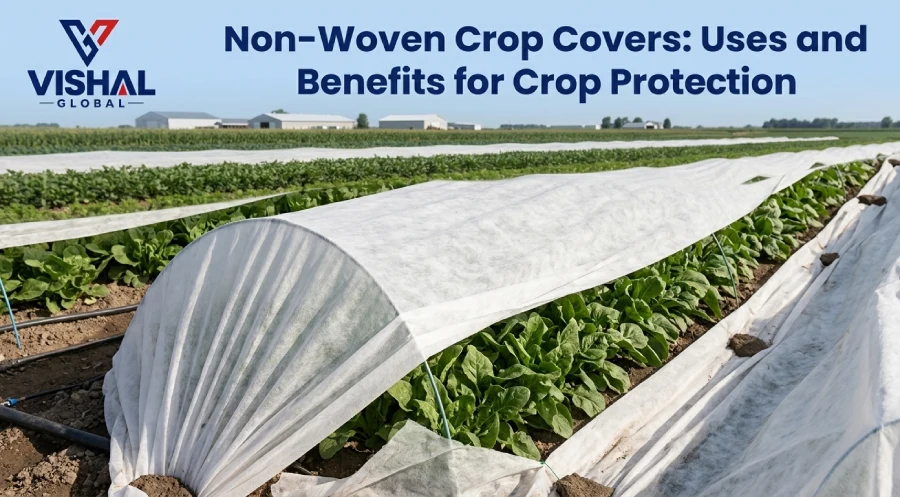
Agricultural crops can be exposed to changing weather, insects, wind, and other environmental conditions throughout the growing season. For growers, protecting young plants and crops is an important part of maintaining a healthy growing environment.
Non-woven crop covers provide a lightweight and breathable physical covering that can be used in agricultural and gardening applications.
What Are Non-Woven Crop Covers?
Non-woven crop covers are lightweight fabric materials commonly manufactured from polypropylene. Unlike woven fabrics, non-woven materials are produced by bonding fibers together to create a sheet-like structure.
The resulting material can provide a breathable protective layer while allowing air and moisture to reach plants, depending on the specific product design and installation.
How Are Crop Covers Used?
Crop covers can be used in a variety of agricultural and gardening applications.
Vegetable crops
Young plants
Leafy vegetables
Nursery plants
Crop rows
Seasonal crop protection
Garden plants
Agricultural fields
The appropriate cover depends on the plant, growing conditions, climate, installation method, and required level of protection.
Protection From Environmental Conditions
Young plants can be particularly sensitive to environmental conditions. A suitable cover can provide a physical barrier between the plant and certain external conditions.
Depending on the product specification, crop covers may help reduce exposure to:
Wind
Certain insects
Temperature fluctuations
Light weather conditions
Environmental stress
The exact protection provided depends on the material specification, weight, construction, installation, and local conditions.
Why Breathability Matters
A crop cover should not simply block the environment. Plants still require air, light, and moisture.
Breathable non-woven materials can provide a balance between protection and airflow. This makes them useful for applications where growers want a physical protective layer without completely enclosing the plants.
Choosing the Right Crop Cover
When selecting a non-woven crop cover, consider:
Material
Size
Weight and GSM
Installation
Crop type
Polypropylene is commonly used for agricultural non-woven covers because it is lightweight and practical for many crop protection applications. The cover should be appropriate for the crop row, plant size, or protected area.
Different crop protection applications may require different material weights. The appropriate GSM depends on the intended use and environmental conditions.
Consider how the cover will be installed and secured. Proper installation is important for maintaining coverage, especially in windy conditions.
Different crops and plants may require different protection strategies. Consider the plant’s size, growth stage, local weather, and expected pest pressure.
Crop Covers for Nurseries and Gardens
Non-woven covers are not limited to large farms. They can also be useful in nurseries, gardens, small growing operations, and other plant-care applications.
They can provide a convenient physical barrier for young plants while allowing air and moisture movement.
Conclusion
Non-woven crop covers are practical agricultural materials that can help growers protect plants from selected environmental conditions and physical exposure.
The correct product depends on the crop, growing environment, material specification, size, and intended use.
Vishal Global LLC supplies non-woven crop covers and plant protection covers for agricultural and gardening applications. Contact us with your required dimensions, quantity, and application details to discuss suitable product specifications.